Compliance
GPS check-in for field teams: legality and best practices
By Adrien De Coster · Published on February 11, 2026 · 6 min read
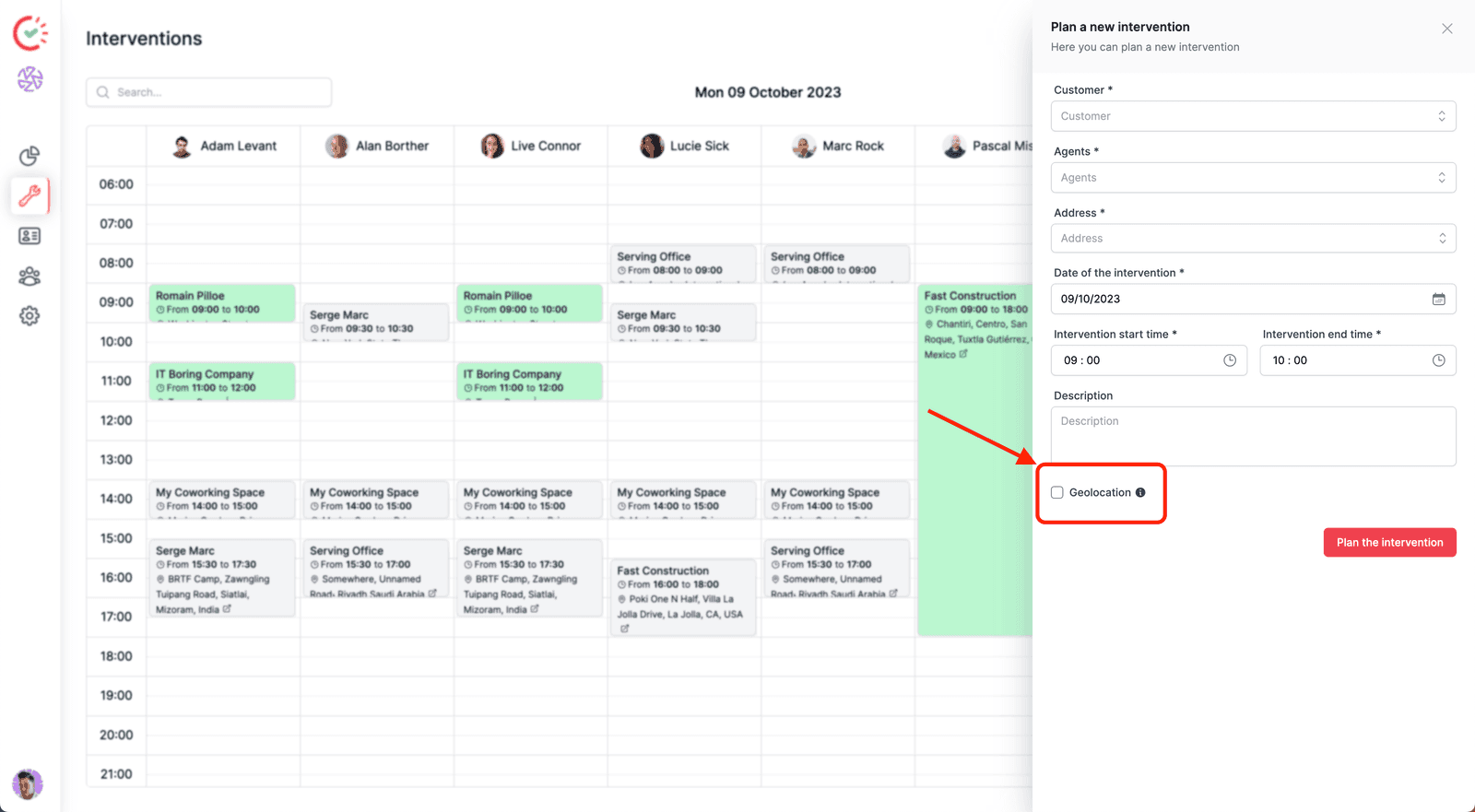
GPS check-in settles the recurring question of whether an agent was really on site. But geolocation of employees is regulated, and doing it wrong exposes you to complaints and sanctions. The principles below keep you both useful and compliant.
Proportionality: capture only what you need
The core legal principle is proportionality. Continuous tracking of an employee’s every move is almost never justified. Capturing a location point at check-in and check-out — to prove presence on a site — is far more defensible than following someone all day.
Transparency and information
- Inform employees in advance of what is collected and why
- Document the purpose: proof of presence, not surveillance
- Consult staff representatives where the law requires it
- Keep a record of the processing in your data register
Data minimisation and retention
Collect the minimum: a check-in point tied to an intervention, not a continuous trail. Set a clear retention period and delete data once it has served its purpose — proof of a completed job rarely needs to be kept for years. Never repurpose location data for something the employee was not told about.
Design that respects both sides
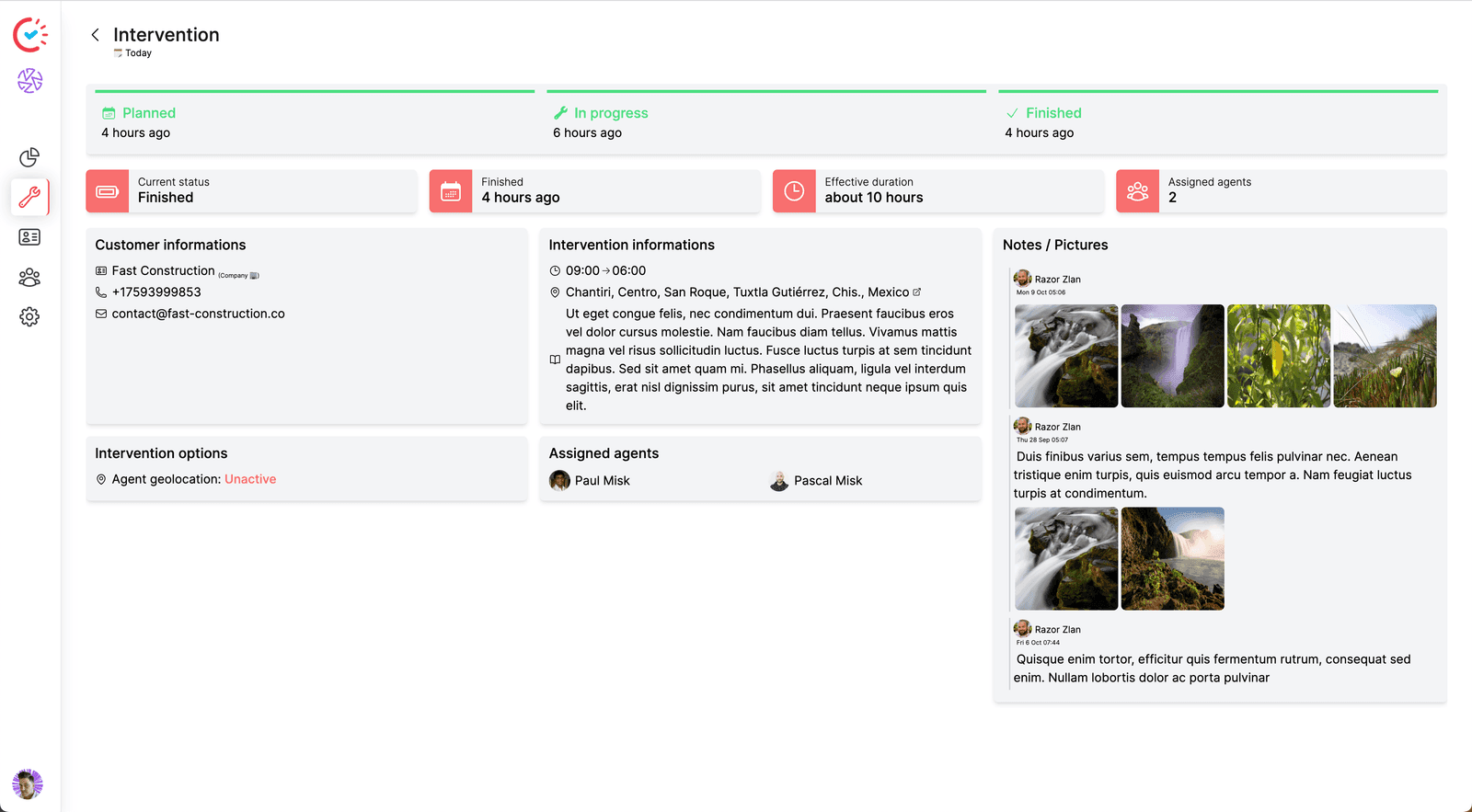
Good tooling makes compliance the default. Clokizi captures a location point only at check-in and check-out, tied to a specific intervention, so you get the proof you need without turning the phone into a tracker. Used this way, GPS check-in protects the company and the agent at the same time.
Related articles
Retention
Fewer client disputes: how proof of work protects your margin
Disputes are slow, expensive and damage trust. Solid proof of work prevents most of them — and helps you keep clients longer.
July 26, 2026
Construction
Tracking maintenance and interventions across construction sites
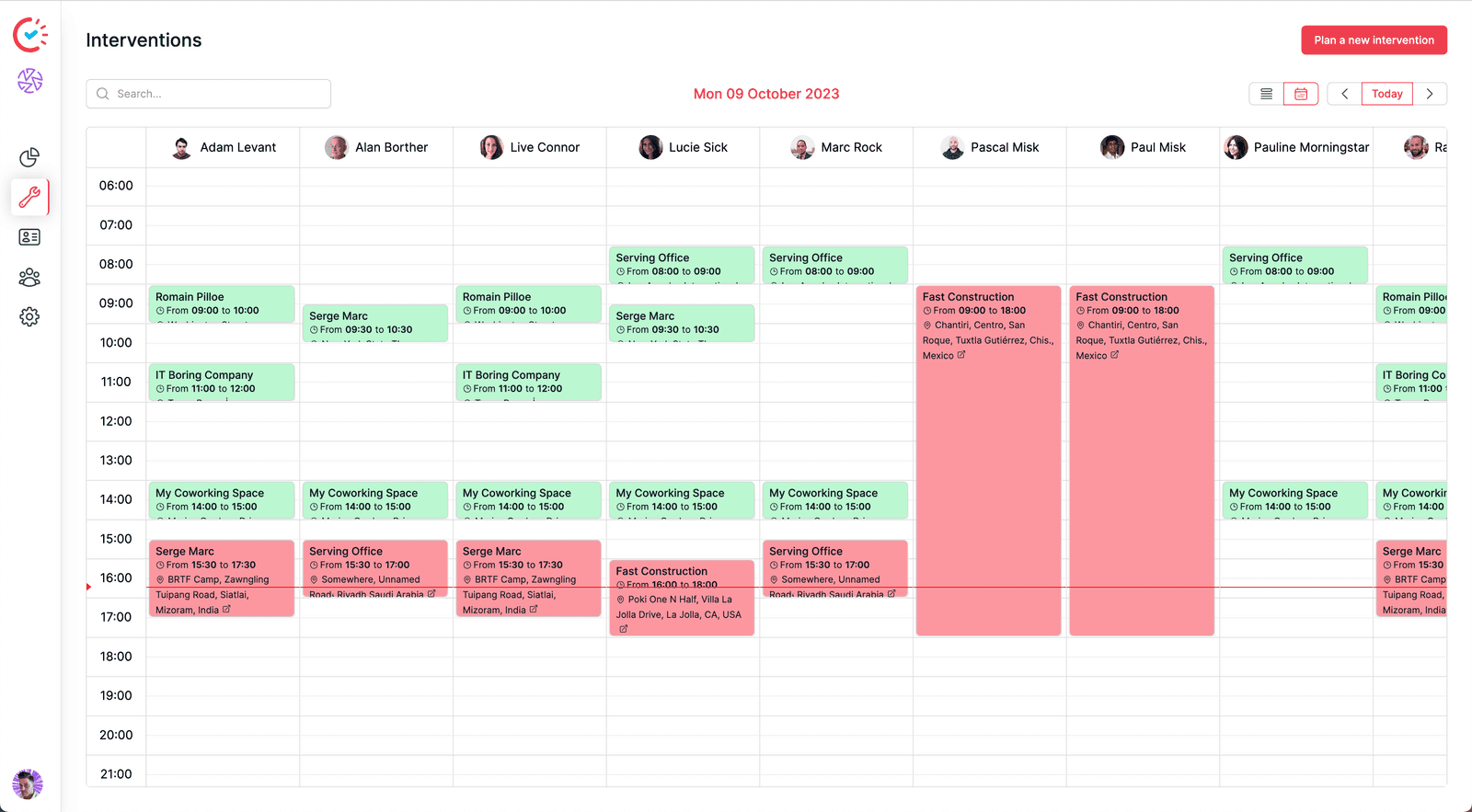
Multiple sites, subcontractors and moving crews make construction the hardest field to schedule. Here is how to keep control.
July 19, 2026
Security
Digital logbook for security guards: why it beats paper
A paper logbook is fragile, hard to audit and easy to dispute. Here is what a digital logbook changes for security companies.
July 12, 2026
Ready to streamline your field operations?
Join hundreds of companies that trust Clokizi to manage their field teams. Start free today or book a personalized demo.