Maintenance
Preventive vs corrective maintenance: the right balance for an SMB
By Adrien De Coster · Published on April 21, 2026 · 6 min read
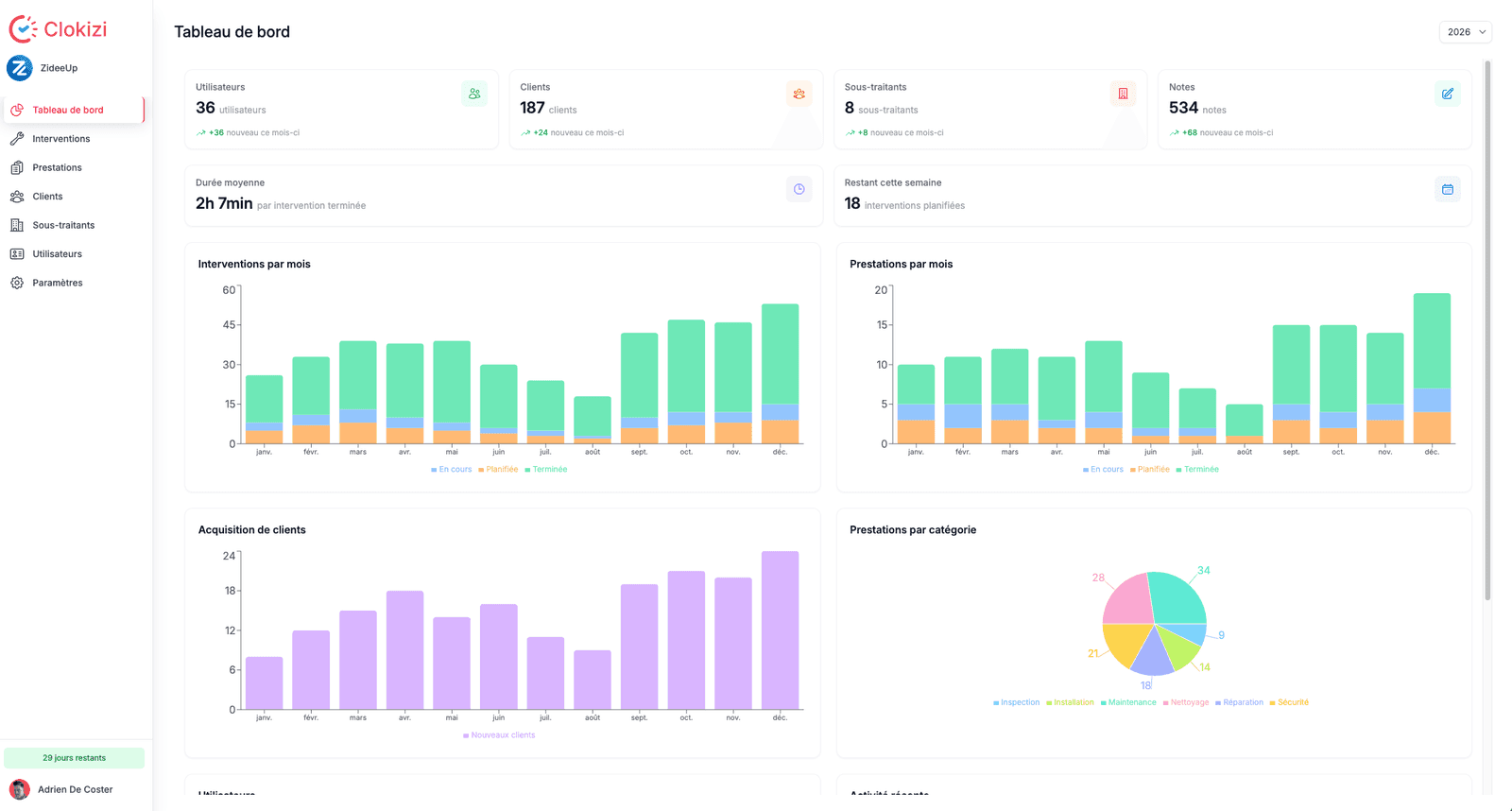
Maintenance strategy is a balancing act. Preventive work — planned visits before anything breaks — costs money up front. Corrective work — fixing things once they fail — costs money and trust when you least expect it. The goal is not to pick one, but to find the right mix per asset.
When preventive pays off
Preventive maintenance wins when a failure is expensive, dangerous, or shuts the client down. For critical equipment, a scheduled visit is far cheaper than an emergency call-out and a broken SLA. The rule of thumb: the higher the cost of failure, the more it justifies planned upkeep.
When corrective is the sensible choice
- Cheap, non-critical assets that are quick to replace
- Failures with no safety or downstream impact
- Cases where preventive visits would cost more than the risk
Build the schedule from history, not habit
Most SMBs set preventive intervals by gut feeling and never revisit them. Better: look at what actually failed, how often, and what each failure cost. A short history of interventions per asset tells you where you are over-servicing and where you are under-servicing — and lets you adjust intervals with evidence.
Make recurring visits run themselves
Preventive maintenance only works if the visits actually get planned. Recurring visit plans generate the schedule automatically, and a full intervention history per site shows you what has been done and what failed. Clokizi keeps both in one place, so your preventive-corrective balance stays based on data, not memory.
Related articles
Retention
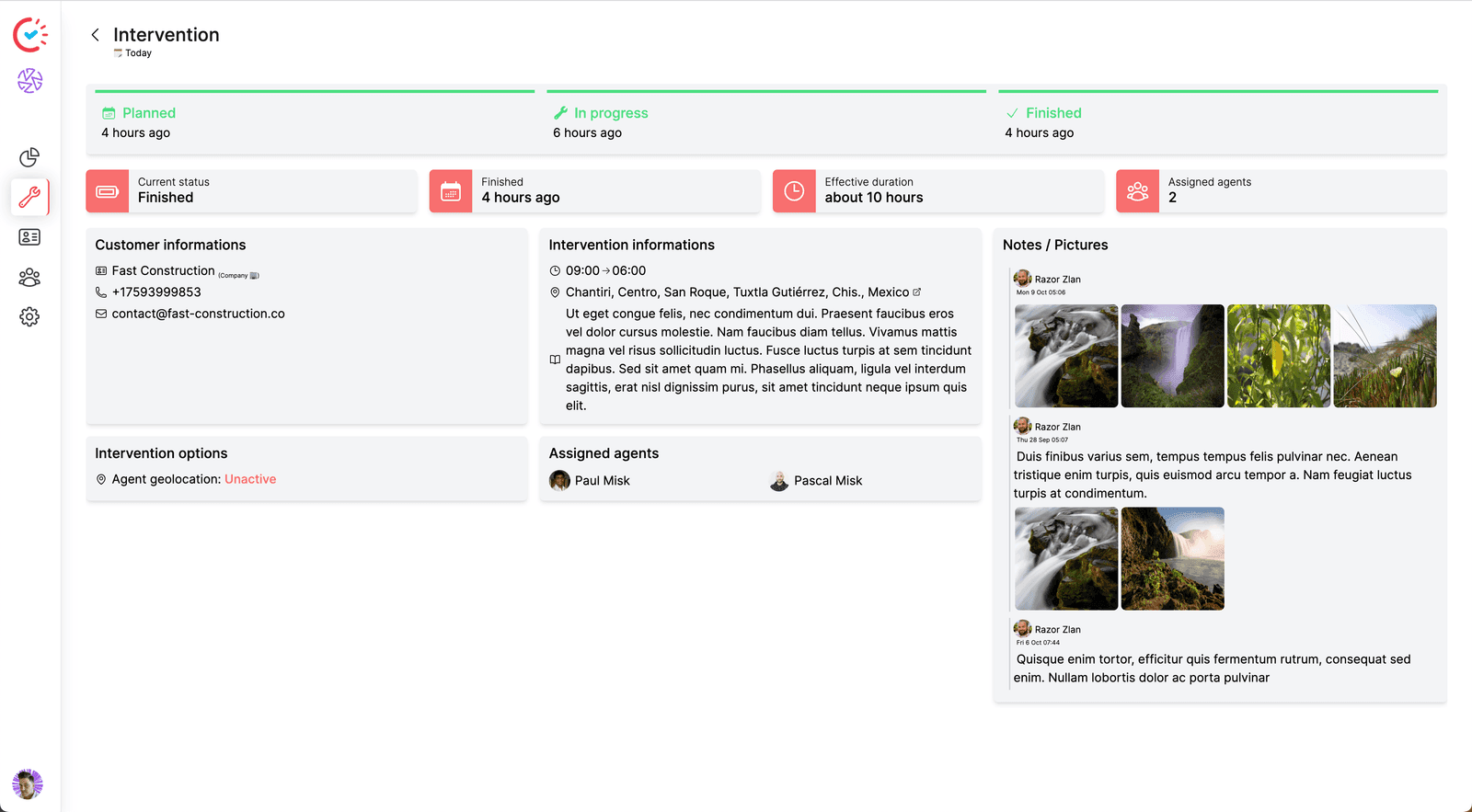
Fewer client disputes: how proof of work protects your margin
Disputes are slow, expensive and damage trust. Solid proof of work prevents most of them — and helps you keep clients longer.
July 26, 2026
Construction
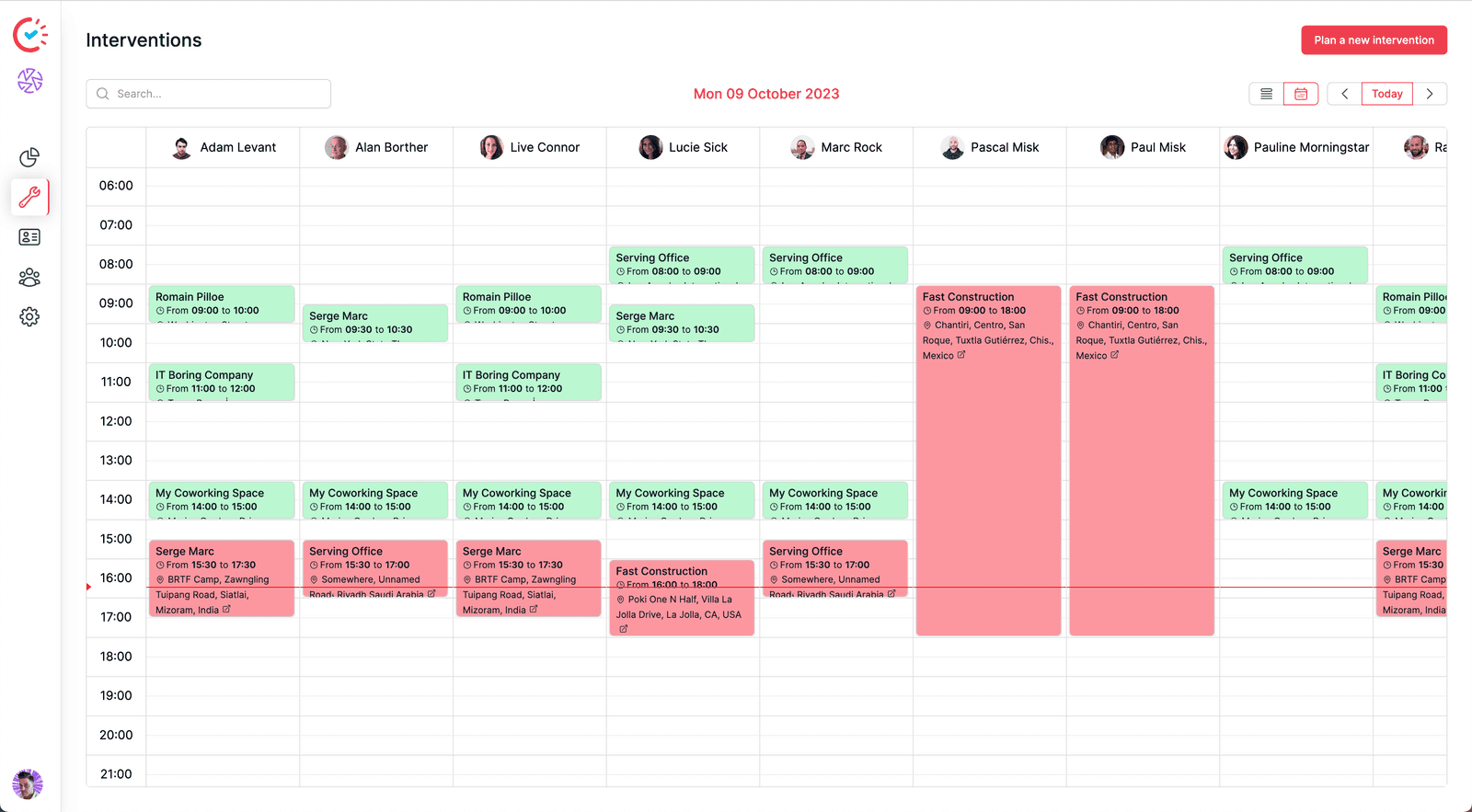
Tracking maintenance and interventions across construction sites
Multiple sites, subcontractors and moving crews make construction the hardest field to schedule. Here is how to keep control.
July 19, 2026
Security
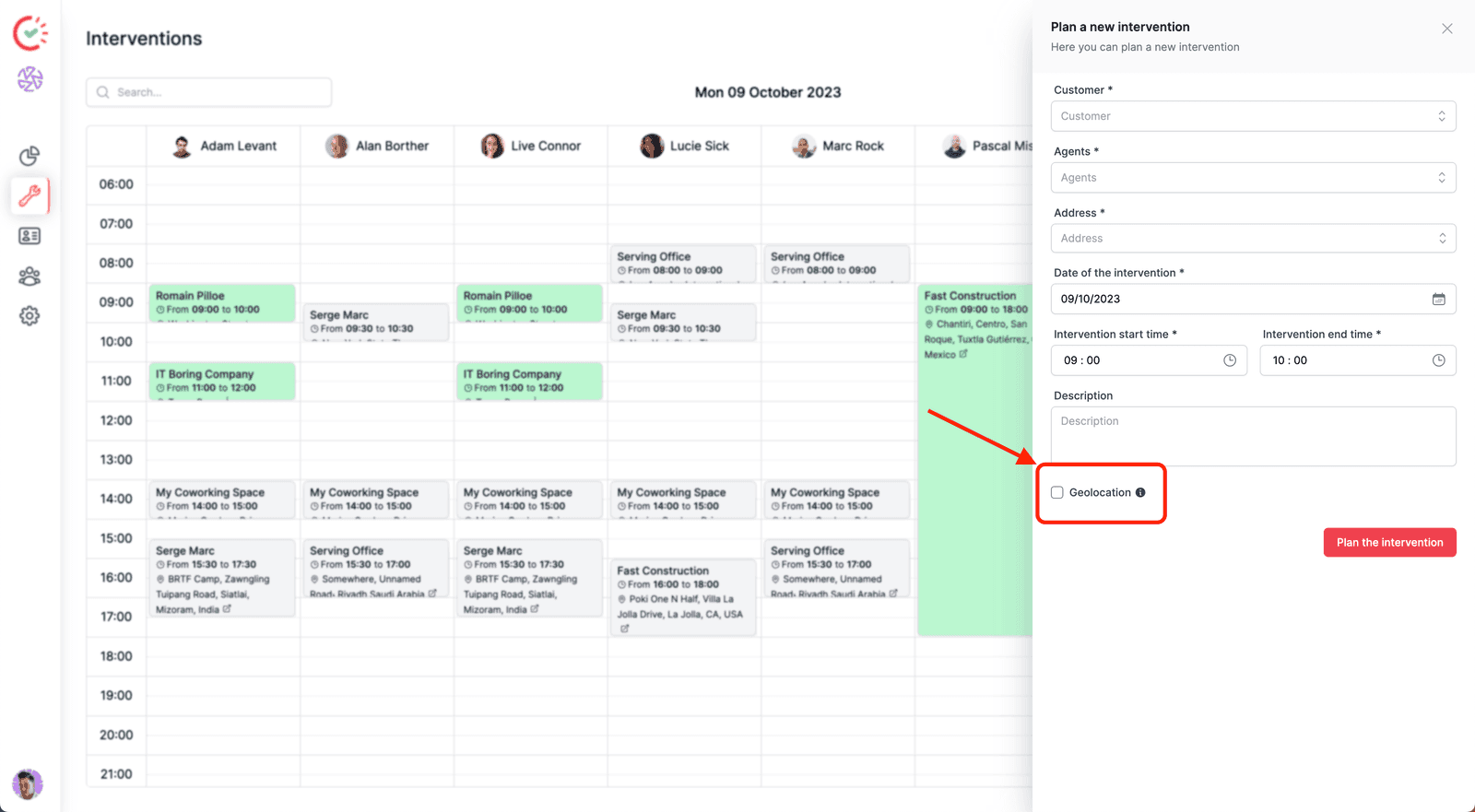
Digital logbook for security guards: why it beats paper
A paper logbook is fragile, hard to audit and easy to dispute. Here is what a digital logbook changes for security companies.
July 12, 2026
Ready to streamline your field operations?
Join hundreds of companies that trust Clokizi to manage their field teams. Start free today or book a personalized demo.